Why Floral Design Illustrations Are Your Secret Weapon for Standout Branding
As a designer or brand strategist, you know that the right visual asset can make or break a project. You’re constantly searching for that element that feels both timeless and fresh, something that adds character without overwhelming your core message. This is where high-quality floral design illustrations come into play. Think beyond the generic rose clip art of the past. Modern floral assets are sophisticated, versatile, and incredibly powerful for creating a distinct brand identity. They aren’t just decorations; they are storytelling tools that can convey emotion, elegance, and authenticity in a single glance.
The Anatomy of a Premium Floral Design Asset
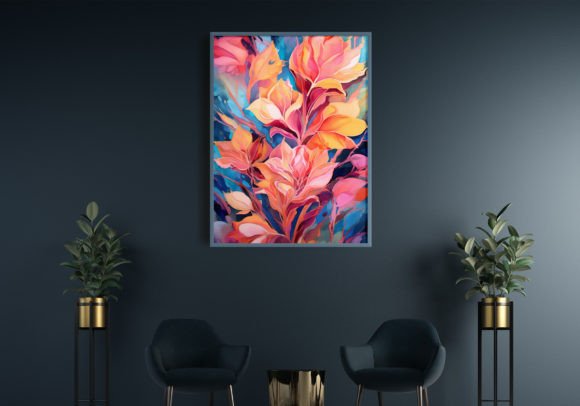
Not all illustrations are created equal. The difference between an amateur design and a professional one often lies in the quality of the foundational assets. A truly premium floral design illustration is defined by its technical specifications and its artistic execution. When we talk about a file with dimensions like 3733 x 5600 pixels, we’re discussing a resource built for real-world application. This high resolution is critical. It means the intricate details—the delicate veins on a leaf, the subtle gradient on a petal, the texture of a stem—remain sharp and clear whether you’re scaling it down for a social media icon or blowing it up for a large-format banner.
This level of clarity directly impacts your final product. Imagine printing a design for a T-shirt or a poster. With a low-resolution asset, you’ll encounter pixelation and blur, which immediately cheapens the perceived value of your work. A high-resolution floral illustration ensures that your end result looks professional and satisfying, regardless of the size. The visual personality of these assets can range from bold and graphic to soft and painterly, allowing you to select a style that perfectly mirrors your brand’s voice—be it rustic, modern, luxurious, or whimsical.
Strategic Applications: From Brand Identity to Product Packaging
The versatility of floral design illustrations allows them to excel across numerous mediums, influencing everything from brand perception to audience engagement. Their application is limited only by your project's needs.
Elevating Brand Identity and Logo Design
Florals are a cornerstone of effective logo design for brands aiming to communicate growth, nature, elegance, or care. A well-chosen floral element can transform a simple wordmark into a memorable emblem. For a boutique hotel, a delicate, hand-drawn floral motif can suggest bespoke service and tranquility. For a natural skincare line, bold botanical illustrations can emphasize organic ingredients and purity. The key is consistency; using the same floral style across your website, business cards, and packaging builds immediate brand recognition and professionalism.
Transforming Print and Packaging Design
This is where high-resolution assets truly shine. In packaging design, the details matter. A crisp, detailed floral wrap on a candle box or a cosmetics label feels tactile and premium. For editorial design—think magazine covers, book jackets, or invitation suites—florals add a layer of visual hierarchy and sophistication. They can frame text, create borders, or serve as a stunning background element that draws the reader’s eye. The large file dimensions ensure that even the most intricate floral patterns print beautifully on textured paper or glossy finishes without losing integrity.
Dominating Digital and Social Media
In the fast-scrolling world of social media graphics, florals are stoppers. They add visual interest and emotional appeal to Instagram posts, Pinterest pins, and Facebook headers. A consistent floral theme in your digital content can create a cohesive and aesthetically pleasing feed, which is crucial for audience engagement. For web design, floral elements can be used to highlight key sections, decorate sidebars, or create beautiful background textures that enhance user experience without distracting from the content.
Practical Guidance for Implementation
Integrating floral illustrations effectively requires a thoughtful approach. Here is some practical guidance for choosing and using these design assets.
- Evaluate Project Fit: Before selecting an asset, consider the personality of your project. Is it formal or casual? Modern or vintage? Choose a floral style that aligns with this tone. A bold, graphic floral works well for contemporary posters, while a detailed, vintage-style botanical is perfect for heritage branding.
- Master Font Pairing: The interaction between your typography and your illustrations is vital. A ornate floral illustration pairs best with a clean sans serif font or a simple serif font to ensure readability. Conversely, a minimalist floral sketch can be beautifully complemented by an elegant script font or a handwritten font. Avoid pairing complex florals with overly decorative typefaces, as this creates visual clutter.
- Test for Readability: Always test your designs at various sizes and on different devices. Ensure that text overlaid on floral backgrounds remains legible. You may need to add a subtle color overlay, a semi-transparent box, or adjust the opacity of the floral layer to maintain a clear visual hierarchy.
- Review Licensing for Commercial Use: This is non-negotiable for professional work. Always verify the licensing terms of any commercial font or illustration asset. Ensure the license covers your intended use, whether it’s for client work, merchandise for sale, or digital products. Respecting licensing protects your business and supports the creators of these valuable design assets.
Ultimately, high-quality floral design illustrations are more than just pretty pictures. They are strategic tools that, when used with intention, can elevate your work from ordinary to exceptional. They help build a cohesive brand identity, enhance the professionalism of your deliverables, and create a deeper connection with your audience. By selecting the right asset and applying it thoughtfully, you harness the power of modern typography and illustration to create designs that are both beautiful and effective.